 With employer-funded pension plans largely becoming a relic of decades past, today’s more common defined contribution plans (e.g., 401(k) plans) are largely fueled by employee contributions. Unfortunately, left to their own devices, employees who qualify for such plans often fail to enroll. Even with the initial “protections” set up for fiduciaries by the Pension Protection Act of 2006, only around 50% of employers adopted the requirement, and a simple internet search shows that up to 44% of individuals who were given the option to enroll in a retirement plan chose not to. To help resolve the potential retirement savings crisis that could result from large numbers of employees failing to save, Congress passed the SECURE 2.0 Act of 2022.
Under SECURE 2.0’s automatic enrollment mandate, many retirement plan sponsors are now required to automatically enroll qualifying employees for their retirement plan with a minimum starting contribution rate of 3 percent. Even before the passage of SECURE 2.0 and its subsequent enactment on January 1, 2025, some plan sponsors had already voluntarily implemented automatic enrollment as a best practice for plans established on or after December 29, 2022.
There’s little dispute that automatic enrollment has been successful. According to the industry’s largest recordkeepers, automatically enrolled employees had a 94% plan participation rate in 2025, compared to 64% for employees in plans with voluntary enrollment.
Although automatic enrollment has achieved its goal of increasing plan participation, it is not without problems. Many automatically enrolled participants are unaware that they actually have a benefit and, even if they are aware, fail to designate a beneficiary. Because these participants are not required to complete enrollment forms, many take a complete hands-off approach. Their accounts run on autopilot with contributions funneled into default investment funds, and they may be unlikely to take additional account actions voluntarily.
Since these passive participants are not required to take action or provide beneficiary information to enroll, many never do. When participants do take the initiative to designate beneficiaries, they are unlikely to update the information without prompting.
The resulting issues that arise from being unaware of an accumulating benefit or designating beneficiaries may not become evident for years or even decades. However, when a participant moves or passes away, the plan sponsor and recordkeeper may encounter several problems:
- A missing participant that is due a benefit.
- No designated beneficiary.
- Outdated beneficiary contact information.
- A deceased beneficiary.
- No contingency beneficiary.
These issues require additional work by plan sponsors and recordkeepers, resulting in administrative delays, labor costs, probate involvement, potential legal battles, and upset family and friends who believe they are entitled to the funds.
While automatic enrollment has boosted missing and outdated beneficiary challenges, these problems can also occur when plan participants forget about or choose not to engage with their retirement accounts, assuming that the funds will be there when needed. Thus, plans that struggle with accurate beneficiary data may also face missing participants, outdated contact information, uncashed distribution checks, and other recordkeeping maintenance issues.
So, how can plan sponsors and recordkeepers tackle these issues? While a certain number of participants will likely fail to provide necessary and updated data, some steps can be taken to reduce the problem:
- Routine record reviews to identify missing and outdated information.
- Targeted communications to participants who have missing and stale data.
- Following the recommended guidance from the DOL’s “best practices” issued in 2021.
- Annual beneficiary verification requests.
- Beneficiary review requests when participants take other action on their accounts.
- Data validation as part of recordkeeper transitions.
- Regular deceased participant identification practices.
Ultimately, plan sponsors have a fiduciary responsibility to ensure their participants’ retirement funds are available to the rightful claimants, whether the participants themselves or their legal designees.
Retirement account auto-enrollment will continue to expand as more new plans covered by SECURE 2.0 are established and older plans adopt the practice to help employees save. Plan sponsors and recordkeepers seeking to minimize the long-term headaches caused by missing and outdated beneficiary information and other stale data should take proactive steps to protect the integrity of their plan data.
MarketSphere Retirement Reunification Services can help alleviate the complex compliance requirements of managing an employee retirement plan, including recordkeeper transitions, identifying data gaps, locating and confirming participants and beneficiaries, managing deceased participant data, and improving overall record accuracy.
To learn how to reduce your risk of costly errors, improve communication with participants, ensure proper coordination between multiple stakeholders, and provide peace of mind, learn about MarketSphere’s Retirement Reunification Services and contact our team today.
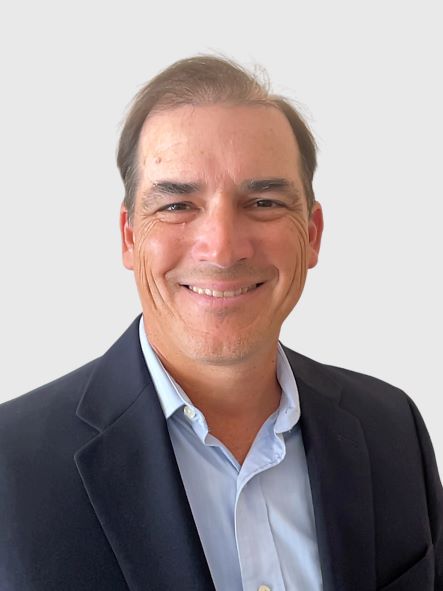
Bill Berger
Bill brings over 30 years of expertise in escheat compliance, retirement plan participant owner research, and reunification services. With a flexible consultative strategy, he leads teams that specialize in locating individuals and motivating them to take action...

David Verducci
David Verducci is a seasoned retirement services and operations executive with over 20 years of experience driving client outcomes, improving service delivery, and leading large-scale retirement plan administration and consulting initiatives.