 Federal legislation currently under consideration in Congress seeks to bolster protections for owners of securities, digital assets, and investment accounts that are not subject to ERISA. The Safeguarding Americans’ Fairly Earned Retirement Act of 2026 (SAFER Act), introduced on April 16, 2026, includes provisions that would minimize premature escheatment of investment assets held by financial institutions (defined to include national banks, transfer agents, and centralized digital asset exchanges). The bill also reinforces the importance of proactive efforts by account holders to maintain contact with their investors. While the bill’s path to passage is uncertain, it signals growing federal attention to state unclaimed property (escheatment) laws.
Many long-term investors, including those who are saving for retirement, have adopted a “set it and forget it” approach to their investments. They’ve established their investment strategy and have vowed not to withdraw their funds until they’ve reached retirement age or another long-term goal. They expect the investment firms holding their funds to safeguard them and ensure they’re available when needed.
Unfortunately, these long-term investment strategies are sometimes hindered by state escheatment laws. States require property holders to transfer funds from accounts that are deemed inactive or abandoned after a specific dormancy period that varies by state and property type. When an investor tries to withdraw funds, they may be surprised to find their investments have been escheated to the state.
If passed and signed into law, the SAFER Act would reflect these investment strategies and establish national standards, preventing the escheatment of securities, digital assets and certain other investment accounts unless specific conditions are met:.
Under the Act, covered assets owned by individuals would remain in the custody of financial institutions unless:
- The financial institution has received confirmation of the owner’s death at least three years prior to escheatment. For joint accounts, all account owners must be confirmed deceased; and
- No fiduciary representing the owner’s estate has indicated interest in the account for at least three years prior to escheatment.
For individuals who have reached the federal retirement age (as defined in the Internal Revenue Code), at the end of the five-year period beginning on the date the financial institution last had contact with the individual, and every five years thereafter, financial institutions must also conduct routine mortality verification record checks against state or federal databases. They may then confirm death, either by receiving a death certificate or obtaining similar legal documentation sufficient to confirm death.
If an owner is not an individual, the covered asset is subject to escheatment 5 years from the date of last contact with a representative of the entity.
The Act also expressly preempts conflicting state escheatment laws.
SAFER Act legislation also highlights the importance of property holders establishing and maintaining procedures for proactive account owner outreach to minimize escheatment. Account holders can reduce escheat liability by implementing processes that:
- Routinely maintain communication with property owners.
- Locate lost account owners.
- Identify deceased owners and locate their estates, heirs, and beneficiaries.
- Meet SEC Rule 17Ad-17 compliance requirements.
Proactive owner reunification services designed to locate lost shareholders, owners and their beneficiaries earlier help preserve customer relationships and keep assets accessible to their rightful owners.
MarketSphere can help financial institutions implement, refine and conduct unclaimed property and retirement reunification programs based on best practices and proven solutions. Our Unclaimed Property Owner Reunification Services and Retirement Reunification Services can help you locate lost shareholders and security holders, identify deceased owners through our VeriDeath mortality verification service, assist with owner location tracking, provide comprehensive unclaimed property managed services and more. Contact us today to get started.
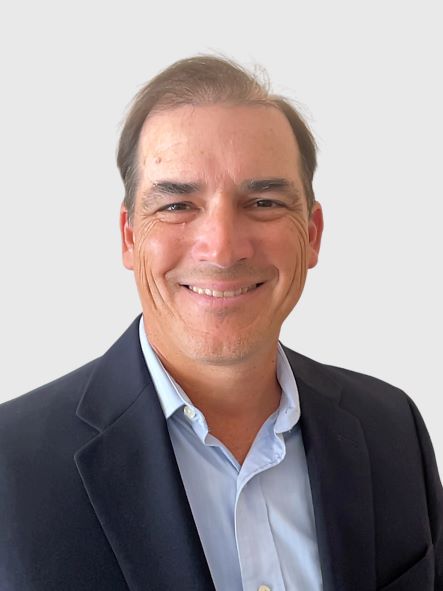
Bill Berger
Bill brings over 30 years of expertise in escheat compliance, retirement plan participant owner research, and reunification services. With a flexible consultative strategy, he leads teams that specialize in locating individuals and motivating them to take action...
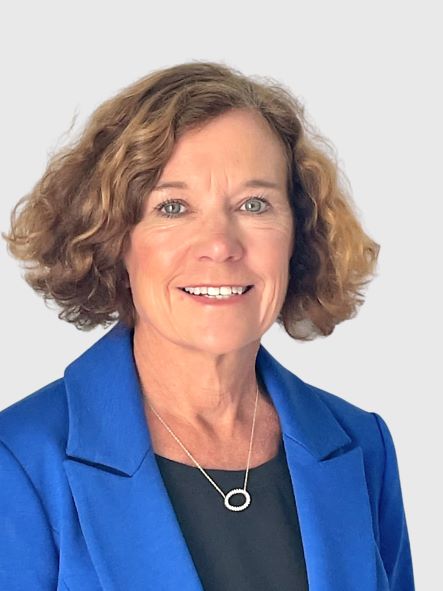
Tracy Olsen
For more than 25 years, Tracy has held various client facing leadership positions across organizations in the unclaimed property and investor relations sectors. Throughout her career, she has a demonstrated history of working with holders to create and implement targeted programs to improve and streamline...

Jason Sauer
Jason has more than 18 years of experience working with ERISA-protected assets, participants' accounts, and plan data within all types of retirement plans. He has helped Plans and their intermediaries fulfill their fiduciary responsibility and stay in compliance with DOL, PBGC and IRS guidelines.